
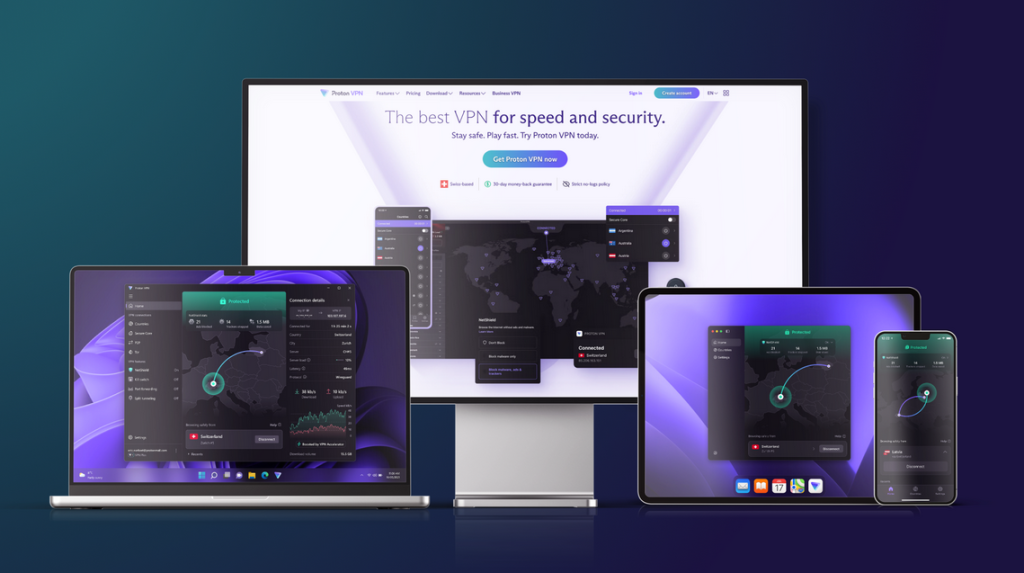
Travel often brings to mind exciting destinations, new cultures, and unforgettable experiences. But there’s another side of travel that doesn’t get as much attention: staying mindful of your online privacy and security. Whether you’re exploring busy cities, relaxing on remote beaches, or hiking through scenic trails, it’s worth considering how you protect your digital activity while on the go.
In this post, we’ll look at why some travelers choose to use a Virtual Private Network (VPN), how it can add an extra layer of security, and the potential benefits it offers when connecting to unfamiliar networks. Using a VPN while traveling is widely considered a foundational tool for adding an extra layer of digital protection on the go.
Public Wi-Fi networks like those in airports, hotels, and cafés, can vary widely in how they’re configured and secured. In some cases, they may present greater risks compared to private networks, especially when used for sensitive activities such as logging into personal or business accounts. Because of this, some travelers opt to use a VPN to help reduce exposure by encrypting their internet traffic and routing it through secure servers.
While no tool can guarantee complete protection, a VPN may help enhance your overall security posture and provide an added sense of control over your data when traveling. Services like Proton VPN are one of several options travelers sometimes consider, depending on their needs and preferences.
Ultimately, practicing good digital hygiene; such as using strong passwords, enabling multi-factor authentication, and being cautious on public networks can go a long way in helping you stay safer online while enjoying your travels.
A note on local laws: VPN rules vary by country, and some destinations may restrict their use or require approved services. Before traveling, check current local regulations and official guidance. This is general information, not legal advice.
Table of Contents
What is a VPN?
Before diving into why some travelers choose to use a VPN, it helps to understand what it does. A VPN is a service that encrypts your internet traffic and routes it through a remote server, which can help obscure your IP address and approximate location. This creates a more secure “tunnel” for your data, which may reduce the risk of others intercepting your online activity; whether you’re browsing, checking email, or accessing accounts.
While relatively simple in concept, a VPN can add an extra layer of privacy and security, which many travelers find useful when connecting to unfamiliar networks.
1. Public Wi-Fi Networks Can Present Risks
One common reason travelers consider using a VPN is the potential risk associated with public Wi-Fi networks. Hotels, airports, cafés, and restaurants often provide free internet access, but these networks can vary in how securely they’re set up.
Without additional protections, data transmitted over public Wi-Fi may be more exposed compared to private networks. In some cases, attackers may attempt to intercept traffic using techniques often referred to as “man-in-the-middle” attacks, where communications between a user and the network are monitored.
A VPN works by encrypting your internet traffic, which can make it more difficult for others on the same network to view your data. While it doesn’t eliminate all risks, this added layer of encryption can be particularly helpful when accessing accounts or handling sensitive information while traveling.
2. Help Protect Your Privacy and Keep Your Data Safer
When you travel, you’re often connecting from unfamiliar networks where your privacy controls may be less predictable. Many websites and apps use cookies and other tracking tools to collect data about your activity. Without additional privacy measures, some of this information may be gathered and shared with third parties, such as advertisers.
Using a VPN can help limit certain types of tracking by masking your IP address and adding a layer of privacy, though it does not prevent all forms of data collection.
3. Reducing the Risk of Identity Theft and Fraud
Traveling, especially internationally can sometimes increase exposure to unfamiliar scams or online threats. Public Wi-Fi networks in places like airports, hotels, and cafés may not always offer the same level of security as private connections, and travelers may not always know how those networks are configured.
While this doesn’t mean these networks are inherently unsafe, using them without added precautions can carry some risk, particularly when accessing sensitive information.
A VPN can provide an extra layer of protection by encrypting your internet traffic, making it more difficult for others on the network to view your data. It can also help mask your IP address, adding a degree of privacy. Although a VPN doesn’t eliminate all risks, it may help reduce exposure to certain types of monitoring or interception while you’re online.
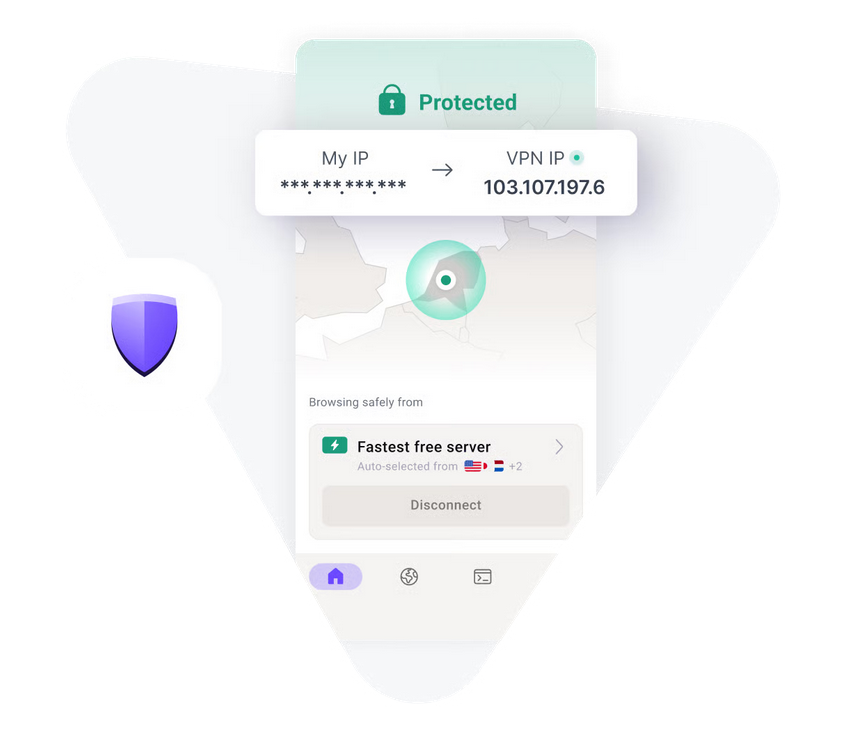
Image – Using a VPN while traveling can help mask your IP address and add an extra layer of privacy. (Image Credit: Proton)
4. Protect Your Communication While Abroad
When traveling internationally, many people rely on public Wi-Fi to stay connected and avoid high roaming fees. Email, messaging apps, and video calls are essential for keeping in touch with friends, family, and colleagues, or managing work while on the move.
Public networks can sometimes be less secure, which may increase the risk of sensitive information being intercepted. Using a VPN can add an extra layer of protection by encrypting your internet traffic, helping you maintain privacy and security while communicating abroad.
5. Limit Tracking and Targeted Advertising
While traveling, you may notice more ads for local services, businesses, or products. These targeted ads are often based on tracking your online behavior and location.
A VPN can help mask your IP address and encrypt your internet traffic, making it harder for advertisers and third parties to monitor your browsing habits. While it doesn’t block all tracking, it can provide an added layer of privacy for those who want to reduce online surveillance.
6. Protect Your Online Banking and Financial Transactions
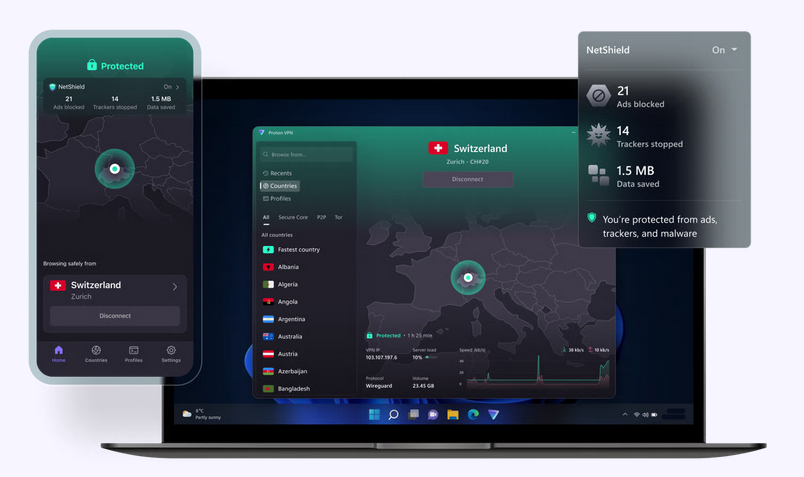
When you’re overseas, conducting financial transactions online can pose a significant risk. Public Wi-Fi networks and unprotected connections make it easier for cyber criminals to intercept sensitive banking data. This can put your personal and business financial transactions at risk.
A VPN reduces those risks and adds an additional layer of digital protection. It is particularly important for frequent travelers who have to conduct financial activities while traveling to locations where cyber crime risks are extremely high and common to utilize multiple layers of digital protection.
7. Enjoy Peace of Mind and Greater Digital Freedom
Traveling is exciting, but staying connected online can sometimes feel risky. Using a VPN while on the go can provide an added sense of security, helping you feel more confident when browsing, streaming, communicating, or shopping online. It’s a tool that can help reduce concerns about data privacy, letting you focus on enjoying your trip!
Final Thoughts: Is Using VPN While Traveling Worth It?
For many travelers, whether for leisure, business, or as a digital nomad a VPN can be a useful tool for enhancing online privacy and security. It can help protect your data on public Wi-Fi networks, mask your IP address, and provide greater peace of mind while staying connected.
It’s important to remember that a VPN is just one layer of protection. It doesn’t eliminate all risks or guarantee complete safety from cyber threats, but it can be a valuable part of a broader approach to online security, especially when traveling.
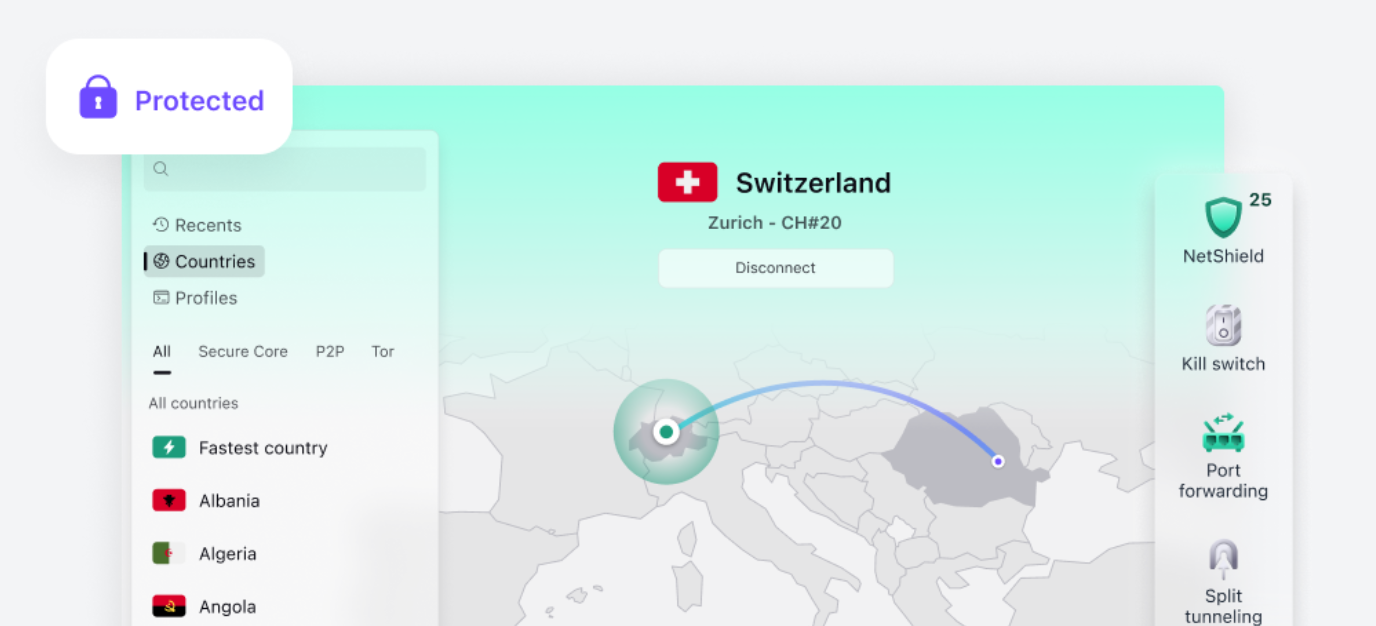
When choosing a VPN, look for a reputable provider with strong encryption, a no-logs policy, and reliable, high-speed servers. One option many travelers consider is Proton VPN. Check out our Proton VPN Review post for more details.
Disclaimer: The information provided in this post is for general informational purposes only and should not be considered professional, legal, or security advice. We make no representations regarding the legality of VPN or encrypted service use in any specific jurisdiction. Users are solely responsible for ensuring compliance with all applicable local laws and regulations when traveling.